Seared Salmon with an Herb & Garlic Parmesan Cream Sauce
The fish stays juicy because you baste it with melted butter in the same skillet you use for this Salmon with Herb & Garlic Cream Sauce.

A hot skillet creates a golden crust on pan-seared fish in just a few minutes. You can make Seared Salmon with an Herb & Garlic Parmesan Cream Sauce entirely in one pan. The fish cooks to 120°F (49°C) for a tender medium-rare center. A quick pan sauce comes together from the remaining brown bits.
Preparing and searing the fish
Begin the recipe by drying the salmon fillets with paper towels. Trout serves as an exact substitute if you prefer. Just about every kind of fish meant for pan-searing works well in this preparation.
A hot skillet requires olive oil instead of butter at the beginning. You will burn the butter if you add it to the pan during the initial high-heat cooking. You always cook the presentation side of the fish first. This gives the salmon the best appearance on the plate.
Basting and resting the salmon
You only add the butter near the end of cooking. You baste the fish with the melted butter to season the fillets. You take the salmon out of the pan to rest while you make the sauce. You must tent the resting fish loosely with foil. A tight foil seal traps steam and destroys any surface crispness. The loose foil keeps the salmon warm without causing it to sweat.
Building the Herb & Garlic Cream Sauce
The Herb & Garlic Cream Sauce starts with minced garlic in the leftover pan fat. You sauté the garlic briefly before adding dry white wine.
As soon as the garlic turns light golden, pour the dry white wine into the hot skillet. Good choices include chardonnay, rosé, sauvignon blanc, verdelho, pinot gris, and semillon. Stay away from heavily oaked varieties, along with any bottles that are highly sugary or dominated by fruit notes, because they will negatively alter the flavor of the sauce. If you want a non-alcoholic version, simply swap out the wine for extra chicken stock or vegetable stock. While the liquid bubbles, make sure to stir the bottom of the pan so the browned bits dissolve completely into the liquid.
Heavy cream contains additives that prevent curdling when you simmer it. You can substitute light thickened cream to reduce calories. The sauce texture will just be slightly thinner. You also pour in low-sodium chicken stock or vegetable stock at this stage.
Adding the cheese and fresh herbs
You must finely grate a block of parmesan by hand to ensure the cheese melts smoothly into the sauce. Using pre-grated parmesan from the store prevents proper melting and leaves a gritty texture. Because freshly grated cheese is highly aerated, 0.5 cup (50 g) is the exact amount you need.
Tarragon provides a gentle vanilla and aniseed flavor to the dish. Chervil adds a delicate parsley profile along with faint hints of aniseed. If you cannot find these specific herbs, fresh chives or dill combined with a squeeze of fresh lemon make excellent substitutes. Always stir the chopped greens into the liquid at the very end when the pan is completely off the heat. Removing the skillet from the active burner protects the bright color and fresh flavor of the leaves.
Side dishes and plating
You can pair the fish with several sides to soak up the sauce:
- Mashed potatoes
- Mashed cauliflower
- Rice
- Crusty bread
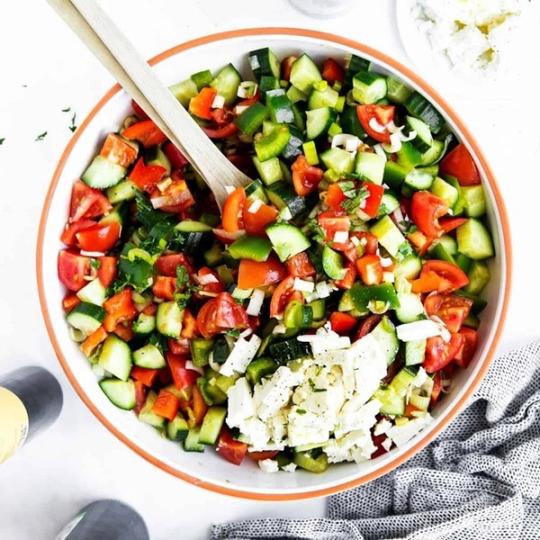
Basic steamed vegetables or a light, acidic salad balance out the cream sauce and salmon. Whenever you cook fillets with the skin attached, ladle the liquid onto the plate first and rest the fish on top. Serving the mixture underneath stops the seared skin from getting soft.
Storing and reheating leftovers
Cooked salmon stays fresh in the refrigerator for up to three days.
Whenever you decide to warm up extra portions, use a low power setting on your microwave. This careful approach stops the salmon from overcooking.
Seared Salmon with an Herb & Garlic Parmesan Cream Sauce
Salmon
- 4 skinless salmon fillets, about 6 oz (180 g) each
- 1 tbsp olive oil
- 1 tbsp unsalted butter
- 0.5 tsp black pepper
- 0.5 tsp salt
Herb & Garlic Cream Sauce
- 0.5 cup dry white wine, or extra chicken stock
- 0.5 cup low-sodium chicken or vegetable stock
- 2 garlic cloves, finely minced
- 1 cup heavy cream
- 0.5 cup finely grated parmesan, grated yourself
- 2 tsp finely chopped tarragon leaves
- 2 tsp finely chopped chervil
- 2 tsp finely chopped parsley, plus more for garnish
We may earn a small commission from grocery & equipment links, at no cost to you. Disclosure.
Method
Salmon
Herb & Garlic Cream Sauce
Easy swaps
- the dry white wine→If you prefer
Substitutions
You can easily swap the salmon for trout or virtually any other fish suitable for pan-searing.
If you prefer to skip the alcohol, use an equal amount of extra chicken or vegetable stock in place of the dry white wine.
Fresh dill paired with a squeeze of lemon juice makes a great substitute if you cannot find fresh tarragon and chervil.
Storage
Leftovers can be kept in the refrigerator for up to three days.
Gently reheat any remaining salmon on low power in the microwave to prevent the fish from overcooking and drying out.
Serving
Serve this rich dish over mashed potatoes or rice to soak up every drop of the Herb & Garlic Cream Sauce.
Common mistakes
Finely grate a solid block of parmesan by hand so it melts smoothly into the liquid. Packaged shredded cheese will not melt correctly and leaves a gritty texture in the finished sauce.
Skip wines that taste overly sweet, heavily oaked, or noticeably fruit-forward. Pouring in these varieties will negatively change the taste of the savory sauce, so stick to dry options like chardonnay, semillon, or verdelho instead.
Do not add the butter to the skillet at the beginning of the high-heat searing process, or the milk solids will burn before the fish is done.
Techniques
Tenting the resting fish loosely with foil keeps it warm without trapping steam that would ruin the lightly crisped surface.
Thoroughly patting seafood or meat dry with paper towels before cooking is essential for achieving a golden crust instead of steaming in the pan.
Allowing seared proteins to rest off the heat for a few minutes helps the internal juices redistribute evenly before serving.
- Store
- Leftovers can be kept in the refrigerator for up to three days. Gently reheat any remaining salmon on low power in the microwave to prevent the fish from overcooking and drying out.
Can I make the Herb & Garlic Cream Sauce without alcohol?
Yes, you can easily skip the wine. Just replace the half cup of dry white wine with an equal amount of extra chicken or vegetable stock.
What herbs can I substitute for tarragon and chervil?
Fresh dill paired with a squeeze of fresh lemon juice makes a great alternative. Fresh chives will also work beautifully in the sauce if you cannot find the original herbs.
What are the best side dishes for Seared Salmon with an Herb & Garlic Parmesan Cream Sauce?
Soak up every drop of the rich sauce by serving the salmon over rice, mashed cauliflower, mashed potatoes, or a thick slice of crusty bread. You can easily balance the heavy cream by adding a bright, acidic salad or some simple steamed green beans to your plate.
Why can't I use pre-grated parmesan cheese?
Parmesan that is already shredded will not melt properly, resulting in a gritty sauce. You need to finely grate a solid block of parmesan by hand so it dissolves smoothly into the pan.
Should I sear the salmon in butter instead of olive oil?
You should only use olive oil for the initial high-heat searing. If you add the butter at the beginning, its milk solids will burn before the fish finishes cooking.
How do I reheat the leftovers without ruining the fish?
Gently reheat any remaining salmon on low power in the microwave. Using a low heat setting prevents the fish from overcooking and drying out.
How do I keep the salmon warm while finishing the sauce?
Set the fish aside on a plate and cover it loosely with a piece of foil. Tenting it loosely keeps the salmon warm without trapping steam that would destroy the lightly crisped surface.
Why is it necessary to pat the fish dry before searing?
Thoroughly drying seafood or meat with paper towels removes surface moisture. This is essential for achieving a golden crust instead of causing the food to steam in the pan.
Why should I rest the fish before serving?
Allowing seared proteins to rest off the heat for a few minutes helps the internal juices redistribute evenly. This ensures every bite remains moist and tender when it reaches the plate.
Add a private note
Private to this device - jot your tweaks, swaps and timings. (Syncs to your account later.)
What to serve with it
See all →




You might also like
See all →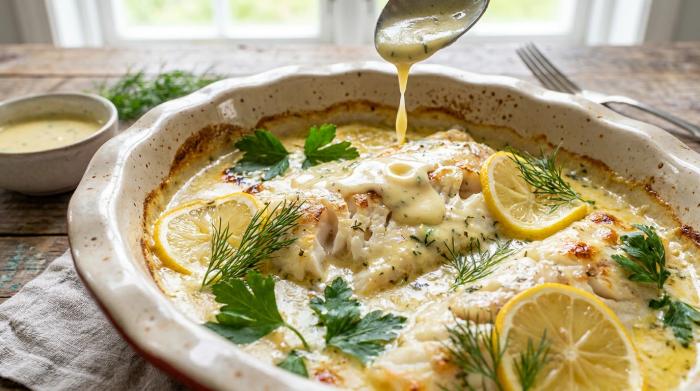




The Friday 3-recipe dinner plan 🧡
Every Friday: three tested weeknight dinners + one shopping list, ready to go. No spam, ever - unsubscribe anytime.