
12-Minute Baked Fish with a Simple Lemon Cream Sauce
The fillets bake for 10 to 12 minutes directly in the melted butter and cream for this Baked Fish with Lemon Cream Sauce (One Baking Dish!).

Dinner comes together fast when the fish and the sauce cook in the same pan. Baked Fish with Lemon Cream Sauce takes just 10 to 12 minutes in the oven. You warm a simple butter and cream mixture in the microwave, pour it over the fillets, and pull out a complete main course.
Choosing the fish
This dish is a great match for almost any white fish. You might choose flathead, snapper, ling, tilapia, dory, barramundi, basa, perch, or hokki. Fillets or cutlets measuring about 1/2 inch (1.5 cm) thick will cook quickly and finish at an even rate. Leaner options such as tuna or swordfish work fine too, but you will need to keep a close eye on them in the oven. Even when baked directly in a rich sauce, a very lean piece of fish turns tough if it overcooks.
Frozen fish requires a little extra care. You must thaw it completely before starting the recipe. Pat the thawed fillets completely dry with paper towels. Excess water from frozen fish dilutes the cream sauce during baking.
Arrange the seasoned fillets carefully in the baking dish. Leave some space between the individual pieces. Tight spacing prevents the fish from cooking evenly.
The cream sauce
The sauce mixes together in a microwave-safe bowl or pitcher. Heavy cream gives the sauce the best consistency. You can substitute evaporated milk if you have that on hand. Light cream works too. You just need to add an extra two teaspoons of Dijon mustard to help a light cream sauce thicken.
The mustard acts as a thickening agent for the liquid. Any smooth, non-seedy mustard can replace the Dijon.
Feel free to swap out a few of the aromatics if you need to. If you are out of shallots, finely minced standard onions work beautifully, and the pale lower sections of scallions make a wonderful substitute too. Fresh lime juice easily steps in if you are short on lemons. Alternatively, you can simmer one-third cup of white wine down to just two tablespoons to use as your acidic base.
You melt the butter and cream in the microwave using two thirty-second bursts. Stir the liquid in between the bursts. The butter melts completely into the warm cream. The finished sauce feels light and fresh rather than thick and heavy.
Baking the fish
You pour this hot liquid directly over the raw fish and chopped shallots. The fish bakes in a single pan without any flipping.
If your fish fillets are on the thicker side, they will naturally need a bit more time in the oven. To keep the pan liquid from drying out during an extended bake, simply stir a splash of water into the mixture to thin it before you cook the dish.
If your fish releases a bit too much moisture during the bake, the pan liquid might turn out on the runny side. Do not worry because this is an easy fix. Simply lift the cooked fillets out of the baking dish to rest on a plate, then slide the pan right back into the oven. Let the sauce bubble in the heat for a short time until it reaches a better consistency.
What to serve with the fish
Transfer the baked fish to serving plates and spoon the warm pan sauce over each portion. Fresh parsley and lemon slices add color to the finished plates.
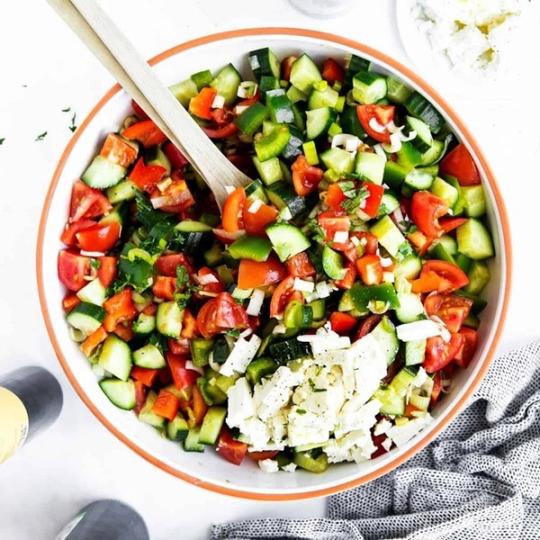
The extra pan sauce needs something to soak it up. Bread or mashed potatoes do this job well. You can also pair the fish with a cold side like cabbage salad, Greek salad, or potato salad. Warm sides like potato gratin or flavored rice round out the meal.
12-Minute Baked Fish with a Simple Lemon Cream Sauce
Ingredients
- 4 fish fillets, 5 - 6 oz (150 - 180g) each, about 1/2 inch (1.5 cm) thick, skinless and boneless
- 1 garlic cloves, minced
- 1.5 tbsp lemon juice
- 1.5 tbsp finely chopped shallots
- 4 tbsp unsalted butter
- 0.25 cup heavy cream
- 1 tbsp Dijon mustard
- Salt and pepper
- Fresh parsley and lemon slices, to serve
We may earn a small commission from grocery & equipment links, at no cost to you. Disclosure.
Method
Easy swaps
- heavy cream→If you prefer
Substitutions
You can use any white fish like tilapia, snapper, or perch, though lean varieties like swordfish need a watchful eye so they do not overcook and dry out.
If you prefer to use light cream instead of heavy cream, simply add an extra two teaspoons of Dijon mustard to help the sauce thicken properly.
Whenever you lack shallots, finely minced standard onions or the white bases from green onions work perfectly as a replacement.
Serving
To enjoy every drop of flavor, transfer the baked fish to serving plates and spoon the warm pan sauce over each portion alongside a scoop of mashed potatoes or some crusty bread.
Common mistakes
Be sure to pat your fish completely dry with paper towels before seasoning, especially if using thawed frozen fillets, to keep excess water from diluting the sauce.
Give your fillets plenty of space in the baking dish, because cramming them tightly together will prevent them from cooking evenly.
Techniques
If the sauce is too watery after baking, transfer the fish to a plate and place the empty baking dish back in the oven briefly to let the liquid reduce.
A reliable way to check if your fish is perfectly cooked is to gently press a fork into the thickest part to see if it flakes apart easily.
Can I use a different type of mustard if I am out of Dijon?
You can absolutely use any smooth, non-seedy mustard you have on hand. The mustard mainly acts as a thickening agent, so as long as the texture is smooth, your sauce will still come together beautifully.
What should I do if my fish fillets are thicker than 1/2 inch (1.5 cm)?
Thicker fillets will need a slightly longer baking time to cook through completely. To keep the creamy sauce from drying out during that extra oven time, just thin the sauce with a splash of water before you bake it.
If I want to use white wine instead of lemon juice, can I pour it straight into the cream?
You will need to concentrate the wine first so the extra liquid does not make your finished sauce too watery. Simply simmer 1/3 cup of white wine down to two tablespoons, and then whisk it into your microwave-safe bowl or pitcher with the rest of the ingredients.
How should I serve this to make the most of the savory pan juices?
You will want to capture every bit of flavor from the baking dish. Simply transfer the baked fish to serving plates and spoon the warm pan sauce over each portion, adding a few fresh lemon slices on the side for a bright finish.
How long can I keep leftover baked fish in the refrigerator?
Cooked fish typically stays fresh in an airtight container in the fridge for up to three days. When you reheat it, warm it very gently on low power so the delicate meat stays tender and moist.
Why did my fish turn out a little rubbery?
A tough or rubbery texture usually means the seafood was left in the heat just a little too long. Ovens can vary, so it is always a great idea to check for doneness a minute or two early to ensure a perfectly flaky result.
Add a private note
Private to this device - jot your tweaks, swaps and timings. (Syncs to your account later.)
What to serve with it
See all →





You might also like
See all →





The Friday 3-recipe dinner plan 🧡
Every Friday: three tested weeknight dinners + one shopping list, ready to go. No spam, ever - unsubscribe anytime.