Quick and Moist Easy Chocolate Cupcakes from Scratch
A simple oil and butter batter keeps these easy chocolate cupcakes beautifully moist for days, and everything comes together quickly in one bowl.
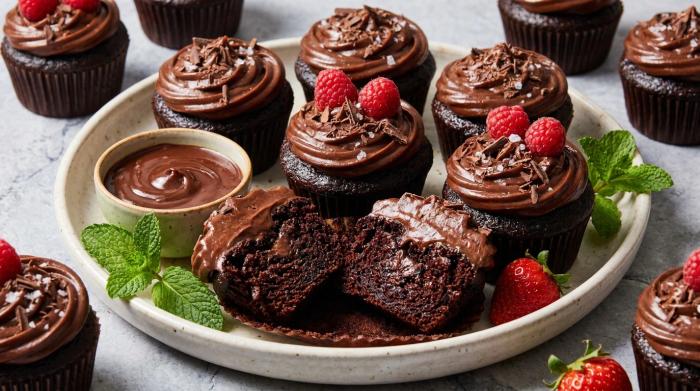
You can mix 12 quick and moist easy chocolate cupcakes from scratch using just a microwave, a whisk, and two bowls. The batter relies on a combination of butter and oil to bake up soft and stay moist for days. The 350°F (180°C) oven temperature cooks them in twenty minutes.
The Wet Ingredients
You build the batter by preparing the Wet Ingredients in a single large heatproof bowl. You start by melting the unsalted butter and broken dark chocolate pieces together in the microwave. Heat the bowl for 45 seconds and stir the contents. Microwave the bowl for another 30 seconds. You can use extra 20-second bursts if you still see solid pieces. Stir the mixture until the liquid looks completely even. The dark baking chocolate needs at least 70 percent cocoa for a strong taste. Eating chocolate does not work well here.
Once the butter and solid chocolate melt together, you mix in the Dutch-processed cocoa powder. The hot liquid blooms the cocoa to increase the overall chocolate flavor. Next, you pour in the milk and the neutral vegetable oil. This liquid cools the hot butter mixture down so the eggs do not cook when you whisk them in later. You add the eggs, vanilla extract, and white vinegar after the oil and milk. The oil provides the long-lasting moisture, while the butter adds a traditional cake flavor.
The Dry Ingredients
A separate bowl holds the Dry Ingredients. This mix consists of plain or all-purpose flour, caster sugar, baking soda, and a pinch of salt. You pass these through a sieve placed over a bowl to break up any lumps. Whisk them briefly to combine everything. You then pour the dry flour mixture into the bowl of Wet Ingredients.
This batter behaves a lot like a quick bread or a muffin mix. The mixture tolerates minor measurement variations easily. You simply whisk the ingredients together by hand until the batter looks smooth. You do not need an electric mixer for this step.
Baking the cupcakes
You divide the finished batter among 12 paper liners in a standard tin. Fill each cup just over three-quarters full.
Bake the batch at 350°F (180°C) for 18 to 20 minutes. A skewer poked into the middle of a center cake comes out clean when they are fully baked. Turn the oven off and move the cakes to a cooling rack right away so they stop baking.
Making the frosting
To prepare the icing, begin by melting the unsalted butter. Whisk the cocoa powder directly into the hot liquid until it looks completely smooth. Next, incorporate the powdered sugar and the initial three to four tablespoons of milk. Stir the mixture well, adding a splash of extra milk if the paste feels too thick. You are looking for a soft, spreadable finish that reminds you of peanut butter.
Once baked, the cakes possess a firm structure capable of supporting heavy layers of piped or spread icing. The standard batch of frosting yields two and a half tablespoons per cupcake. If you prefer to apply a thin layer instead, simply reduce the frosting butter to 70 grams. Always wait until the cakes cool completely before adding the spread. You can then finish each treat with sprinkles or other decorations.
Ingredient substitutions
A few common swaps work well in this recipe if you lack the exact items.
- Standard cocoa powder can replace the Dutch-processed cocoa powder.
- One and a half teaspoons of baking powder can replace the baking soda. The baked cupcakes will be slightly less fluffy if you make this change.
- Super fine sugar or normal white sugar works perfectly as caster sugar.
- You need powdered sugar or soft icing sugar for the frosting. Pure icing sugar is not recommended.
Storing the leftovers
These baked cupcakes maintain their moisture for up to three days if placed inside a sealed container. When dealing with a hot environment, keep the frosted cakes in the refrigerator. Allow any chilled cupcakes time to reach room temperature prior to serving them. You can also freeze the batch successfully, whether they are left unfrosted or already covered in frosting.
Quick and Moist Easy Chocolate Cupcakes from Scratch
Dry Ingredients
- 0.75 cup plain or all-purpose flour
- 0.75 cup caster sugar, super fine sugar or normal white sugar
- 0.5 tsp baking soda, bicarbonate soda
- Pinch of salt
Wet Ingredients
- 2 large eggs, 2 oz (55 to 60 g) each
- 2 oz dark chocolate, preferably 70%+ cocoa, broken into pieces
- 0.5 cup cocoa powder, preferably Dutch processed
- 8 tbsp or 1/2 cup (120 g / 1 US stick) unsalted butter, cut into 1-inch (2 cm) pieces
- 0.5 cup milk
- 0.25 cup vegetable oil, or other neutral flavor oil
- 1.5 tsp white vinegar
- 1 tsp vanilla extract
Chocolate Fudge Frosting
- 0.5 cup cocoa powder, preferably Dutch processed
- 2.5 cup powdered sugar or soft icing sugar, not pure icing sugar
- 8 tbsp or 1/2 cup (120 g / 1 US stick) unsalted butter, cut into 1-inch (2 cm) pieces
- 3 tbsp milk
- Sprinkles and other decorations, if desired
We may earn a small commission from grocery & equipment links, at no cost to you. Disclosure.
Method
Batter
Chocolate Fudge Frosting
Substitutions
You can replace the baking soda with 1.5 teaspoons of baking powder, although the baked cupcakes will turn out slightly less fluffy.
Standard cocoa powder is a perfectly fine substitute if you do not have Dutch-processed cocoa powder.
Storage
Store the cakes in a sealed container for up to three days to maintain their moisture. If your kitchen gets hot, place the frosted treats in the fridge, then let them sit on the counter to warm up before eating.
The baked cupcakes freeze successfully, and you can safely store them in the freezer whether they are plain or fully frosted.
Serving
The standard frosting recipe yields about two and a half tablespoons per cupcake, but reducing the butter to 70 grams produces just enough for a thin layer on each one.
The baked cakes are incredibly sturdy and can easily support heavy, piled-high layers of spread or piped frosting.
Common mistakes
Resist opening the oven door too early during the baking process to prevent a sudden drop in temperature that can cause the centers to sink.
Techniques
Mixing the cocoa powder directly into the hot melted butter blooms the cocoa, which enhances the intense flavor of the Wet Ingredients.
Whisking the milk and oil into the hot chocolate lowers the mixture's temperature to ensure the eggs do not scramble when you add them.
This forgiving batter behaves much like a muffin mix and comes together smoothly by hand without any electric mixers.
Always let your baked goods cool completely on a wire rack before applying frosting so the butter does not melt and slide off.
- Store
- Store the cakes in a sealed container for up to three days to maintain their moisture. If your kitchen gets hot, place the frosted treats in the fridge, then let them sit on the counter to warm up before eating. The baked cupcakes freeze successfully, and you can safely store them in the freezer whether they are plain or fully frosted.
What if I only have baking powder instead of baking soda?
You can substitute one and a half teaspoons of baking powder for the baking soda in the Dry Ingredients. Just keep in mind that your baked cupcakes will turn out slightly less fluffy.
Do I absolutely need Dutch-processed cocoa powder for this recipe?
Dutch-processed cocoa powder delivers a stronger chocolate taste, but standard cocoa powder makes an excellent substitute. You can swap it directly into both the cupcake batter and the icing.
Do these cupcakes need to be kept in the refrigerator?
Pack the cupcakes into a tightly sealed box and leave them on the counter, where they remain moist for up to three days. You only need to place the frosted batch in the refrigerator if your environment gets hot. Always let the chilled treats sit out until they reach room temperature prior to serving.
How can I make a smaller amount of frosting if I prefer a thinner layer?
Following the recipe as written gives you about two and a half tablespoons of frosting per cupcake, creating a heavy layer. If you only want a thin spread, lower the butter in the icing to 70 grams.
Why does the batter call for both butter and oil?
The unsalted butter provides a rich, traditional cake flavor to the Wet Ingredients. The vegetable oil is responsible for the long-lasting moisture that keeps the crumb soft for days.
Is there a risk of the eggs cooking when they hit the hot melted chocolate?
The recipe sequence prevents this from happening. Whisking the cold milk and oil into the hot butter and chocolate lowers the temperature enough that the eggs will not scramble.
Why is it important to wait until baked goods are completely cool before frosting them?
Frostings rely on a fat base that will quickly melt when exposed to residual heat. Always wait until your cakes are completely cool to the touch so the icing does not melt and slide off the top.
Why do my cupcakes sometimes turn out dense and tough?
Dense baked goods are typically the result of an overworked batter. Once your wet and dry components meet, always mix gently and stop as soon as the batter is combined to ensure a tender crumb.
Add a private note
Private to this device - jot your tweaks, swaps and timings. (Syncs to your account later.)
What to serve with it
See all →

You might also like
See all →


The Friday 3-recipe dinner plan 🧡
Every Friday: three tested weeknight dinners + one shopping list, ready to go. No spam, ever - unsubscribe anytime.