
A Tender, Buttery Almond Cake With Lemon and Coconut
Melted butter and ground almonds give this simple one-bowl lemon coconut almond cake a tender crumb that stays fresh for days.
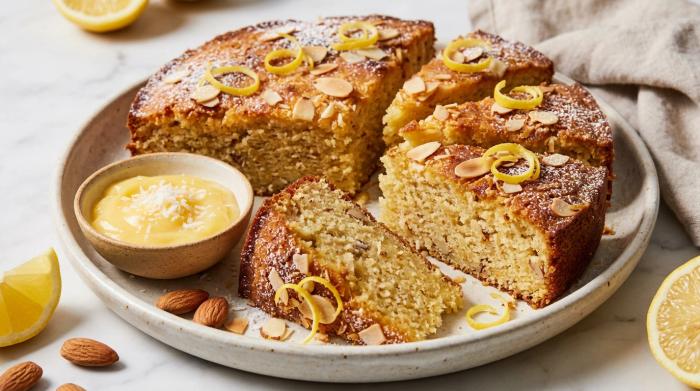
This Lemon Coconut Almond Cake requires only one mixing bowl to prepare. Ground almonds and melted butter keep the crumb so moist that extra toppings are unnecessary. The recipe provides about 12 slices, and leftovers hold their texture for a maximum of five days.
The almonds and coconut
Almond meal provides the base for the batter. It consists of ground, unpeeled raw almonds. This ingredient adds a naturally moist texture to the baked cake.
Desiccated coconut adds chew to the crumb. This is a finely shredded, unsweetened coconut product.
Ingredient substitutions
The basic recipe uses specific ingredients for texture, but you can make a few direct swaps.
- Almond flour can replace the almond meal to yield a fluffier cake with a milder almond flavor.
- You can use hazelnut meal instead of the almond meal.
- Regular white sugar is a fine substitute for the caster sugar, but it will not dissolve as quickly.
- Standard shredded coconut can replace the desiccated coconut to yield a chewier texture.
You should avoid large coconut flakes. Large pieces do not absorb enough moisture for this batter.
The wet ingredients
The four large eggs must sit at room temperature before you begin. Warm eggs mix easily into the batter. You will melt the unsalted butter in a large microwave-safe bowl first. Let the liquid butter sit and cool for two minutes before you add the eggs. This brief rest stops the hot butter from scrambling the raw eggs.
Pour the caster sugar and the natural vanilla extract into the bowl next. Stick to real extract rather than imitation vanilla flavorings, which will leave the baked dessert with an inferior taste. Whisking the sugar directly into these wet components early on allows it to liquefy and dissolve easily.
Mixing the batter
Add the almond meal, desiccated coconut, baking powder, and salt to the bowl. Lemon zest goes in at this stage. The zest adds a strong citrus taste without the sour acid of fresh lemon juice. Whisk everything together. You should stop mixing just as soon as the dry ingredients vanish into the batter.
Pour the batter into an 8-inch (20 cm) circular cake tin. You must line the bottom of the pan with parchment paper. If you only grease the pan, the cake will stick to the metal. Scatter the flaked almonds evenly over the top of the batter. This nut layer protects the cake surface from over-browning in the oven and adds a crisp texture.
Baking and cooling
Cook the batter at 350°F (180°C) for 40 minutes. You can verify that the cake has finished baking by pushing a skewer straight into the middle. The dessert is ready when the skewer pulls free without any wet batter clinging to it.
Leave the pan on the counter for 15 minutes. Turn the cake out onto a cooling rack carefully. You must let the cake cool for a minimum of one hour before you cut it. The moist crumb needs this time to set completely. If you slice the cake while it is warm, the interior will look and feel undercooked.
Serving and storage
The moist crumb allows you to serve the slices plain without any cream or frosting. The baked cake keeps well for up to five days. Store the cake inside the refrigerator during hot weather to maintain its freshness.
A Tender, Buttery Almond Cake With Lemon and Coconut
Ingredients
- 4 large eggs, 2 oz (55-60 g) each, at room temperature
- 1.5 tsp lemon zest, from 1 large lemon
- 0.75 cup caster sugar, superfine sugar
- 1.5 cup almond meal, ground almonds
- 1 tsp baking powder
- 10 tbsp unsalted butter
- 0.75 cup desiccated coconut, finely shredded unsweetened coconut
- 1 tsp vanilla extract
- 0.25 tsp cooking or kosher salt
- 0.25 cup flaked almonds, optional
We may earn a small commission from grocery & equipment links, at no cost to you. Disclosure.
Method
Easy swaps
- desiccated coconut→Standard shredded coconut works
Substitutions
Using almond flour instead of almond meal yields a fluffier cake with a milder taste. You can also use the exact same amount of hazelnut meal instead of the ground almonds.
Standard shredded coconut works instead of desiccated coconut for a chewier texture, but avoid large coconut flakes because they will not absorb enough moisture.
Storage
The baked cake keeps well for up to five days and should be stored in the refrigerator during hot weather to maintain freshness.
Serving
This cake yields approximately twelve slices and has a moist enough crumb to be served plain without any cream or frosting.
Common mistakes
Do not rely solely on greasing the pan, as skipping the paper liner will cause the cake to stick.
Avoid slicing the cake while it is still warm because the interior will appear and feel undercooked.
Techniques
Let the melted butter cool briefly before whisking in the eggs to prevent the residual heat from scrambling them.
To test if the cake has finished baking, insert a skewer into the center and verify that no wet batter clings to it.
Bring cold eggs to room temperature quickly by submerging them in a bowl of warm water for ten minutes before mixing.
Rotate the cake pan halfway through the baking time to ensure an even rise and consistent browning.
- Store
- The baked cake keeps well for up to five days and should be stored in the refrigerator during hot weather to maintain freshness.
Can I use regular sugar instead of caster sugar?
Yes, regular sugar works perfectly well if you do not have caster sugar. Since the crystals are larger, they take more time to break down. Make sure you whisk it very well into the melted butter and eggs so it fully dissolves into the wet ingredients.
Are large coconut flakes okay to use if I cannot find desiccated coconut?
You should avoid using large coconut flakes because they will not absorb enough moisture for this batter. If you cannot find desiccated coconut, standard shredded coconut is the best alternative and will yield a chewier texture.
How can I quickly bring cold eggs to room temperature?
You can quickly warm up cold eggs by submerging them in a bowl of warm water for ten minutes before you start baking. This ensures they will incorporate smoothly into your batter without clumping.
Why is my cake sticking to the pan even though I greased it?
Relying solely on greasing the pan is a common pitfall with this moist batter. You must line the bottom of your 8-inch (20 cm) pan with parchment paper to ensure the baked dessert releases cleanly.
Why does the center of my cake seem undercooked after baking?
If you slice the cake while it is still warm, the interior will appear and feel undercooked. You must let the dessert cool on a rack for a minimum of one hour to give the moist almond crumb time to fully set.
Does this cake need to be refrigerated?
The baked cake keeps well for up to five days, and refrigeration is only strictly necessary during hot weather. If your kitchen is cool, storing it in an airtight container at room temperature is perfectly fine.
What kind of frosting pairs best with this dessert?
You do not need to prepare any cream or frosting for this dessert. The slices are naturally moist and tender enough to be served completely plain, with the lemon zest and coconut providing all the necessary flavor.
Why is it important to rotate the pan while baking?
Rotating the cake pan halfway through the baking time helps compensate for any hot spots in your oven. This simple step ensures an even rise and consistent browning across the surface of your bake.
Add a private note
Private to this device - jot your tweaks, swaps and timings. (Syncs to your account later.)
What to serve with it
See all →





You might also like
See all →




The Friday 3-recipe dinner plan 🧡
Every Friday: three tested weeknight dinners + one shopping list, ready to go. No spam, ever - unsubscribe anytime.