One Pot Pasta Bolognese Cooked in a Thick Meat Sauce
You cook the dry noodles directly in the meat sauce for this Quick 30-Minute Weeknight One Pot Pasta Bolognese, saving you an extra pan.
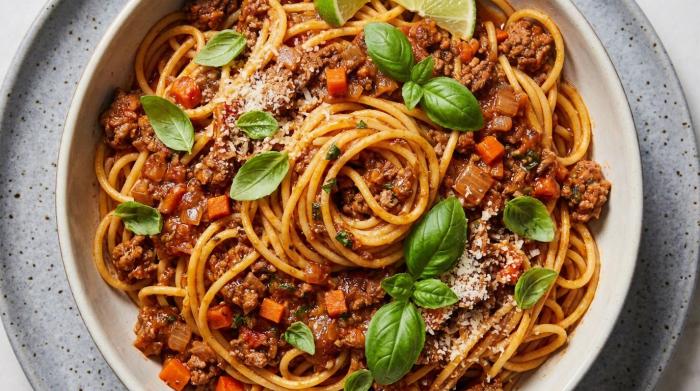
A fast one pot pasta bolognese takes just 30 minutes from start to finish. You cook the dry noodles directly in the meat sauce instead of using a separate pasta pot. The dry spaghetti releases starch right into the pan as it boils. That starch thickens the cooking broth into a heavy gravy.
The meat and seasonings
Start by warming the olive oil to cook the chopped onion and minced garlic. Next, add the ground beef, breaking the meat apart as it cooks until the raw pink color disappears completely. You can easily substitute ground chicken, turkey, lamb, or pork for the beef. To add a savory flavor to the dish, pour in the Worcestershire sauce, or use soy sauce as a quick alternative. You will also season the pot with red pepper flakes and Italian mixed herbs. If you do not have a pre-mixed Italian blend in your pantry, simply combine equal measurements of dried rosemary, thyme, parsley, and oregano.
The liquid for boiling
Starting with a high volume of liquid ensures the spaghetti cooks evenly. Three cups of beef broth provide enough depth to keep the noodles submerged while transferring flavor directly into the pasta. If you do not have liquid beef stock on hand, you can substitute three cups of water mixed with three teaspoons of beef powder. Breaking three beef stock cubes into the water serves as another simple alternative.
Tomato passata creates a thick sauce without needing a long simmering time. Tomato paste thickens the liquid further. You also use a splash of the beef broth to rinse out the empty passata bottle. This step grabs the leftover tomato puree before you add the liquid to the pot.
Boiling the pasta
Bring the broth and tomato mixture to a complete boil before introducing the 12 oz (350 g) of uncooked spaghetti. Do not drop extra vegetables into the pot at this point, as the intense bubbling will cause them to fall apart. Arrange the dry noodles in a wide fan over the top of the hot sauce. Let the pasta rest there for 30 seconds to begin softening. Once the strands become flexible, press them entirely beneath the surface of the liquid.
Managing the heat
The pasta cooks for 12 minutes. You must keep a gentle bubbling action going the entire time. The noodles will bloat in the warm water instead of cooking if the pot stops boiling. You stir the pot roughly once a minute to keep the spaghetti from clumping.
As the boiling progresses, the liquid reduces into a thick meat sauce. You must stir the pot more frequently during the final minutes to keep the noodles from sticking. After eight minutes of cooking, turn the stove down to medium heat. Lowering the temperature prevents the heavy sauce from burning on the bottom of the pan while still maintaining a gentle simmer.
Other pasta shapes
The liquid ratios in this recipe match standard spaghetti. You can use other pasta, but you must adjust the liquids.
- Longer or thicker pastas take longer to cook and need additional boiling water.
- Short pastas need less tossing at the end and require a reduced amount of liquid.
You should avoid using delicate sauces for this one-pot method. The pasta will become overly sticky without a hearty base.
Finishing off the heat
You pull the pot off the stove when the noodles are slightly more firm than your goal texture. The pan must still hold some liquid at this point. You toss the pasta for 30 seconds away from the heat. This tossing action reduces the remaining sauce and finishes cooking the spaghetti.
Leftovers and storage
You serve the dish immediately with a garnish of Parmesan. The high volume of sauce keeps the leftovers from drying out in the fridge. You can refrigerate the pasta for up to four days and reheat it in a microwave. You can also freeze the finished dish.
One Pot Pasta Bolognese Cooked in a Thick Meat Sauce
Ingredients
- 1 lb ground beef, lean
- 3 cup beef broth, or water and stock cubes
- 2 garlic cloves, minced
- 1 onion, finely chopped
- 24.5 oz tomato passata, tomato puree
- 2 tsp Italian mixed herbs
- 2 tbsp tomato paste
- 12 oz spaghetti, uncooked
- 1 tbsp olive oil
- 2 tsp Worcestershire sauce
- 0.75 tsp each salt and pepper
- 0.25 tsp red pepper flakes, adjusted to taste
For serving
- Parmesan
We may earn a small commission from grocery & equipment links, at no cost to you. Disclosure.
Method
Substitutions
Ground chicken, turkey, pork, or lamb can be substituted for the ground beef.
If you do not have Worcestershire sauce, an equal amount of soy sauce works perfectly as a replacement.
Storage
Store leftovers in the refrigerator for up to four days, as the high sauce ratio keeps the pasta from drying out when reheated in the microwave.
Common mistakes
Avoid mixing extra vegetables into the pot, since the fast boil required for this technique will cause them to break down.
Make sure the pot maintains a gentle boil, otherwise the spaghetti will just bloat in warm water instead of cooking properly.
Techniques
Toss the noodles vigorously off the heat at the very end to emulsify the sauce and finish cooking the pasta.
Always brown your ground meat fully before adding any liquids so it develops a deep, savory flavor.
Stirring pasta frequently during the last few minutes of boiling is the best way to prevent the starches from sticking to the bottom of the pot.
- Store
- Store leftovers in the refrigerator for up to four days, as the high sauce ratio keeps the pasta from drying out when reheated in the microwave.
Can I use a short pasta shape instead of spaghetti?
You can use other pasta shapes, but you must reduce the amount of liquid. Short pastas also require less tossing at the very end of the cooking process.
Why do I need to pour beef broth into the empty tomato passata bottle?
Shaking broth inside the empty bottle grabs the leftover tomato puree so nothing goes to waste. Adding this rinsed liquid into your pot helps create a thick, rich sauce.
Why did my spaghetti bloat in the pan instead of cooking properly?
This happens if the pot stops boiling while the noodles are submerged. You must maintain a gentle bubbling action the entire time so the pasta cooks rather than swelling in warm water.
Can I freeze the leftovers of this one pot pasta?
Yes, this finished dish freezes very well. The high volume of sauce keeps the spaghetti from drying out when you are ready to reheat it.
How should I serve this bolognese?
You should serve the dish right away so the noodles do not continue cooking in the residual heat. Top each portion with a garnish of Parmesan cheese just before eating.
Why is it important to brown ground meat completely before adding any liquids?
Fully browning the ground meat develops a deep, savory flavor profile. If you add liquids too early, the meat will boil and miss out on that rich roasted taste.
Why do I need to stir pasta so frequently during the final minutes of boiling?
Stirring prevents the starches released by the cooking noodles from clumping together. It is the best way to keep the pasta from sticking to the bottom of your pot as the liquid reduces.
Add a private note
Private to this device - jot your tweaks, swaps and timings. (Syncs to your account later.)
What to serve with it
See all →

You might also like
See all →


The Friday 3-recipe dinner plan 🧡
Every Friday: three tested weeknight dinners + one shopping list, ready to go. No spam, ever - unsubscribe anytime.