Juicy Gai Yang (Thai Grilled Chicken) with Charred Edges
This savory Thai Grilled Chicken (Gai Yang) cooks up with sticky, deeply caramelized edges and stays tender on the inside.

Boneless chicken thighs absorb a salty liquid fast and cook up with sticky, dark edges. This recipe for Juicy Gai Yang (Thai Grilled Chicken) with Charred Edges relies on a quick puree of garlic and fresh aromatics. You need about 3 hours to marinate 2 lb (1 kg) of meat.
Chicken choices
Boneless, skinless chicken thigh fillets remain tender, absorb the Lemongrass Marinade efficiently, and form beautifully caramelized edges. You can swap these out for chicken breasts or chicken tenders. Simply slice whole breasts horizontally or pound them flat so they are uniform from end to end, ensuring they heat at the same rate. Chicken pieces with the skin and bones still attached are another good option. Those cuts just demand more time on the stove and require you to flip them frequently.
The Lemongrass Marinade
This mixture requires one large lemongrass stalk. Strip off the reedy outer layers to uncover the tender 15-centimeter white and pale green base. The higher green sections are fibrous. Blending them into the liquid leaves behind tough, unpleasant chunks. Cut the usable pale bottom portion into slices measuring 1/5 inch (5 mm) thick.
Using a handheld blender to puree the sliced lemongrass and four whole peeled garlic cloves extracts more flavor than mincing. Place the aromatics into a narrow container with the fish sauce, brown sugar, light soy sauce, dark soy sauce, and neutral oil. The fish sauce acts as a salty base, and its strong scent dissipates during cooking. Dark soy sauce leaves a bronzed finish on the meat and carries a very intense flavor. You can swap the light soy sauce for tamari or any all-purpose soy sauce. Never replace the light soy sauce with dark soy sauce, as doing so will overwhelm the other flavors and ruin the dish.
If you do not have a blender, finely grate the garlic and lemongrass before mixing them by hand with the sugar and sauces. Approximately one tablespoon of lemongrass tube paste can take the place of fresh stalks.
Marinating the chicken
You pour the puree over the chicken fillets and toss them well. The bowl needs to sit covered for a bare minimum of 3 hours. You can leave the meat overnight or up to 24 hours for the best liquid penetration.
You can cut the raw chicken into fine strips if you have no time to wait. You just toss the small pieces in the liquid and cook them fast as a stir-fry.
Grilling the meat
You can cook this indoors on a nonstick pan or outside on a BBQ grill. The strong garlic and soy mixture compensates for the lack of charcoal smoke when you cook indoors. You do not need extra cooking fat because the liquid already contains two tablespoons of oil. You start by heating your surface on high.
You put the chicken down and immediately drop the temperature to medium. The high heat gives a quick sear, but the lower heat finishes the job safely. The brown sugar and dark soy sauce will burn the surface fast if you cook the meat entirely on high heat.
The fillets need 5 to 6 minutes on each side. The sugar scorches easily. You should flip the meat multiple times if the outside starts to burn before the inside finishes cooking. You can discard any leftover liquid from the bowl, or use it to baste bone-in pieces near the end of their cooking time.
Resting
You must take the meat off the heat and let it rest for 3 to 5 minutes. The muscle fibers relax and hold onto the liquids. The internal juices will spill out onto your cutting board if you cut into the meat too soon.
You can stack the finished pieces and loosely tent them with foil to keep them warm while you cook multiple batches.
To Serve
You cut the warm meat into strips and plate it. Steamed coconut rice or Jasmine rice absorbs the salty juices well.
You can scatter finely sliced red chilies and cilantro leaves over the top. Lime wedges add fresh acid to the meal.
Provide a Dipping Sauce (Pick One) alongside the cooked meat. For a traditional option, serve the dish with Nam Jim Jaew. This mixture combines scallions, shallots, garlic, chilies, sugar, lime juice, and fish sauce. A bottle of sweet chili sauce provides a fast alternative.
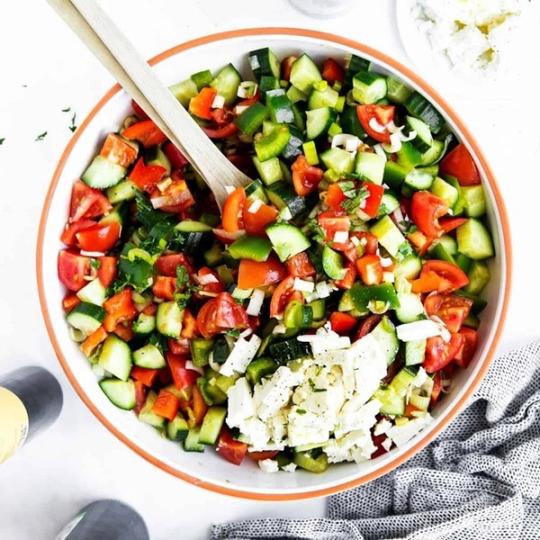
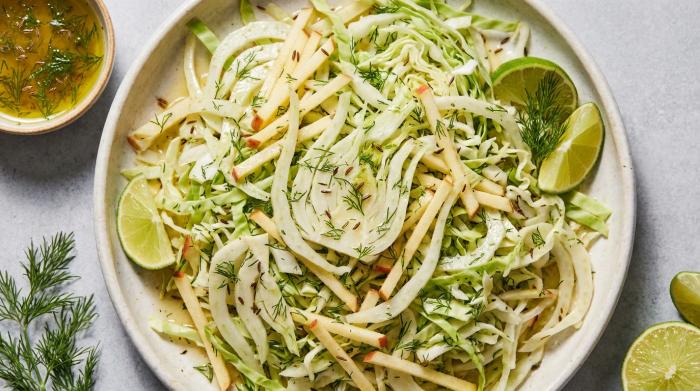
Serving uncooked slices of tomato and plain cucumber gives the plate a refreshing crunch next to the rich poultry. Feel free to bring out any of the following pairings: [li] An Asian-style slaw [li] A cold vermicelli salad [li] Warm vegetables steamed and coated in sesame dressing
- Asian slaw
- A salad made with thin rice noodles
- Steamed vegetables tossed in sesame dressing
Juicy Gai Yang (Thai Grilled Chicken) with Charred Edges
Ingredients
- 2 lb boneless, skinless chicken thigh fillets
Lemongrass Marinade
- 2.5 tbsp fish sauce
- 4 whole peeled garlic cloves
- 3 tbsp tightly packed brown sugar, or palm sugar
- 1 large lemongrass stalk, white part only, reedy outer layers removed, sliced 1/5 inch (5 mm) thick
- 1 tbsp light soy sauce, or any all-purpose soy or tamari
- 2 tsp dark soy sauce
- 2 tbsp neutral oil, like vegetable or canola
Dipping Sauce (Pick One)
- Lime sweet chilli sauce
- Bottle of sweet chilli sauce
- Nam Jim Jaew, traditional Thai dipping sauce for meat
To Serve
- Lime wedges
- Coconut rice
- Red chili, finely sliced, optional
- Cilantro / coriander leaves, optional
We may earn a small commission from grocery & equipment links, at no cost to you. Disclosure.
Method
Substitutions
You can swap the thighs for chicken breasts or tenders, but make sure to split whole breasts horizontally or pound them to an even thickness for uniform cooking.
Approximately 1 tablespoon of lemongrass tube paste easily takes the place of the fresh lemongrass stalk in the Lemongrass Marinade.
Extra light soy sauce can substitute for the dark soy sauce, but never replace the light soy with dark soy or its intense flavor will overpower the dish.
Storage
Let the meat sit in the Lemongrass Marinade for a bare minimum of 3 hours, or leave it in the fridge for up to 24 hours for optimal flavor penetration.
Serving
Accompany the Thai grilled chicken with slices of raw tomato and plain cucumber to provide a fresh contrast, and set out sweet chili or Nam Jim Jaew dipping sauce.
Garnish the plates using fresh chilies, cilantro, and lime wedges, and pair the chicken with a side of steamed vegetables tossed in sesame dressing.
Common mistakes
Cooking the chicken completely on high heat will scorch the surface due to the sugar and dark soy sauce.
Blending the tough upper green sections of the lemongrass stalk will leave unpleasant fibrous chunks in your marinade.
Techniques
Peel away the outer green layers of the lemongrass to expose the tender 6-inch (15 cm) white and pale green base before slicing.
Drop the grill or pan temperature to medium immediately after adding the chicken, and flip the pieces multiple times if the surface gets too dark.
Always let seared meat rest for a few minutes before slicing so the internal juices have time to redistribute instead of spilling out onto the cutting board.
Keep batch-cooked meat warm by stacking the pieces and loosely tenting them with aluminum foil while you finish cooking the remaining portions.
Pureeing the lemongrass and garlic with an immersion blender pulls far more flavor from the aromatics compared to mincing them with a knife.
- Store
- Let the meat sit in the Lemongrass Marinade for a bare minimum of 3 hours, or leave it in the fridge for up to 24 hours for optimal flavor penetration.
Can I use chicken breasts instead of thighs?
Feel free to use chicken breasts or tenders instead of thighs. When preparing whole breasts, slice them sideways to make two thinner cutlets, or flatten the meat to a uniform depth so every part finishes cooking at the same time.
Can I substitute extra dark soy sauce if I run out of light soy sauce?
No, never replace the light soy sauce with dark soy sauce. The dark soy sauce has a very intense flavor that will completely overpower the dish and ruin the Lemongrass Marinade.
How long should I leave the chicken in the Lemongrass Marinade?
For optimal flavor penetration, let the meat sit in the fridge for a bare minimum of 3 hours. You can safely leave it to marinate overnight or for up to 24 hours.
Why is my chicken burning on the outside before it cooks through?
Cooking the chicken entirely on high heat will scorch the surface quickly due to the brown sugar and dark soy sauce. Always drop the pan or grill temperature to medium immediately after adding the meat.
Why does my Lemongrass Marinade have tough fibers in it?
Blending the tough upper green sections of the stalk will leave unpleasant fibrous chunks in your puree. You must peel away the outer layers to expose the tender 6-inch (15 cm) white and pale green base before slicing.
How do I prepare the marinade if I lack an immersion blender?
Yes, you can easily prepare the wet rub by hand. Just finely grate the fresh lemongrass and garlic before stirring them into the sauces, oil, and brown sugar.
What sides and garnishes go best with this meal?
Serve this caramelized Thai chicken next to a mound of steamed coconut rice. For a fresh contrast, add plain sliced cucumber and fresh tomatoes to the plate. Finish the meal by setting out lime wedges, cilantro, sliced chilies, and your chosen dipping sauce so everyone can customize their portion.
Why do I need to rest seared meat before slicing it?
Always let seared meat rest for a few minutes off the heat so the muscle fibers can relax. This gives the internal juices time to redistribute instead of spilling out onto your cutting board.
How do I keep the first batch of meat warm while cooking the rest?
Keep batch-cooked meat warm by stacking the finished pieces on a plate or board. Loosely tent them with aluminum foil while you finish cooking the remaining portions.
Add a private note
Private to this device - jot your tweaks, swaps and timings. (Syncs to your account later.)
What to serve with it
See all →

You might also like
See all →



The Friday 3-recipe dinner plan 🧡
Every Friday: three tested weeknight dinners + one shopping list, ready to go. No spam, ever - unsubscribe anytime.